Research
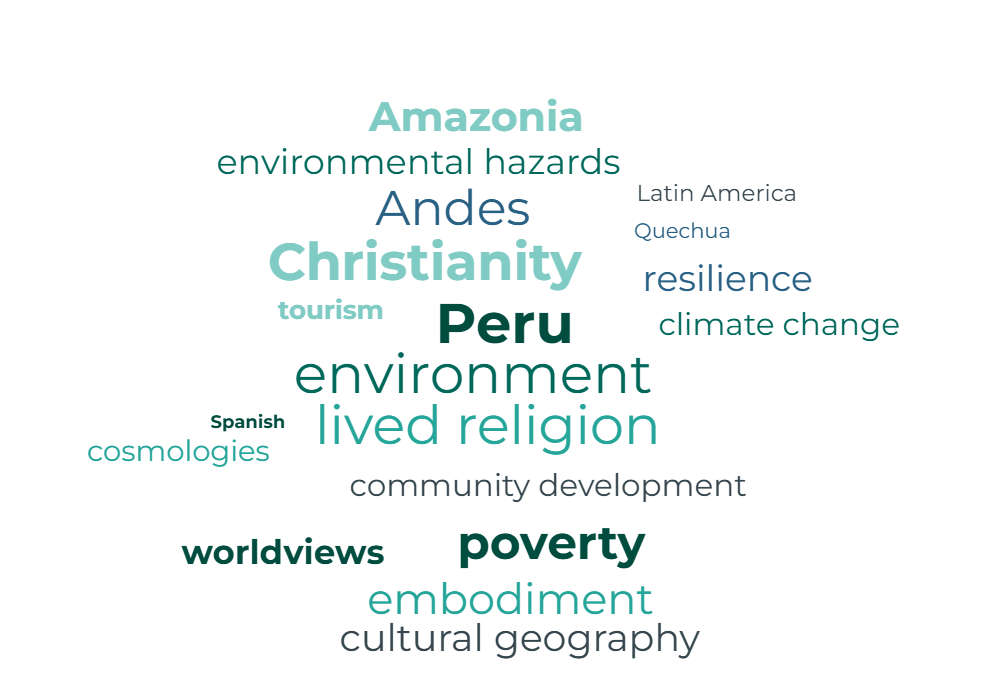
Broadly, my research looks at environmental change and lived religion. I am currently interested in Peru, Latin American Christianity, religious embodiment, cultural movements, poverty, community development, ecological systems, and hazards.
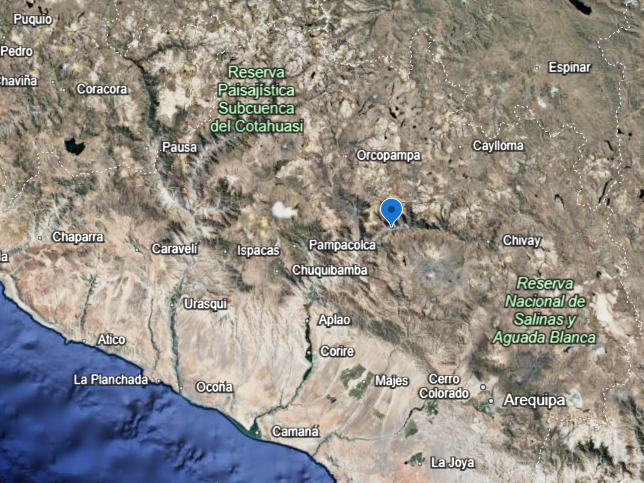
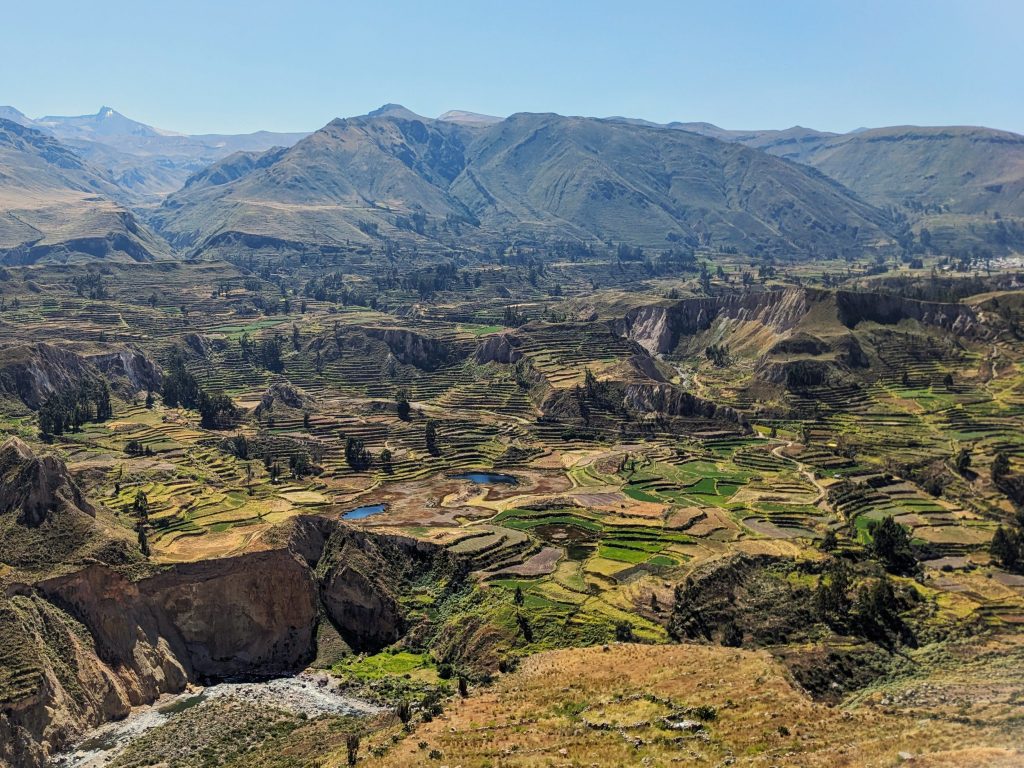
Descendants of the Mountain: Religious Embodiment and Environmental Change in the Colca Valley
This project looks to explore and map the embodied religious responses of rural Andean communities towards a variety of environmental hazards in the Colca Valley (southern Peru). As a region characterized by high-altitude agricultural, infrastructural, and water management challenges amid other forms of environmental uncertainty, there are a variety of fascinating ways in which lived religion and embodiment shape (and are shaped by) the changing environment. It asks the following core question: How do rural communities in the Colca Valley produce and negotiate religious worlds through bodily practice and the formation of emotional relationships with the ever-changing environment?
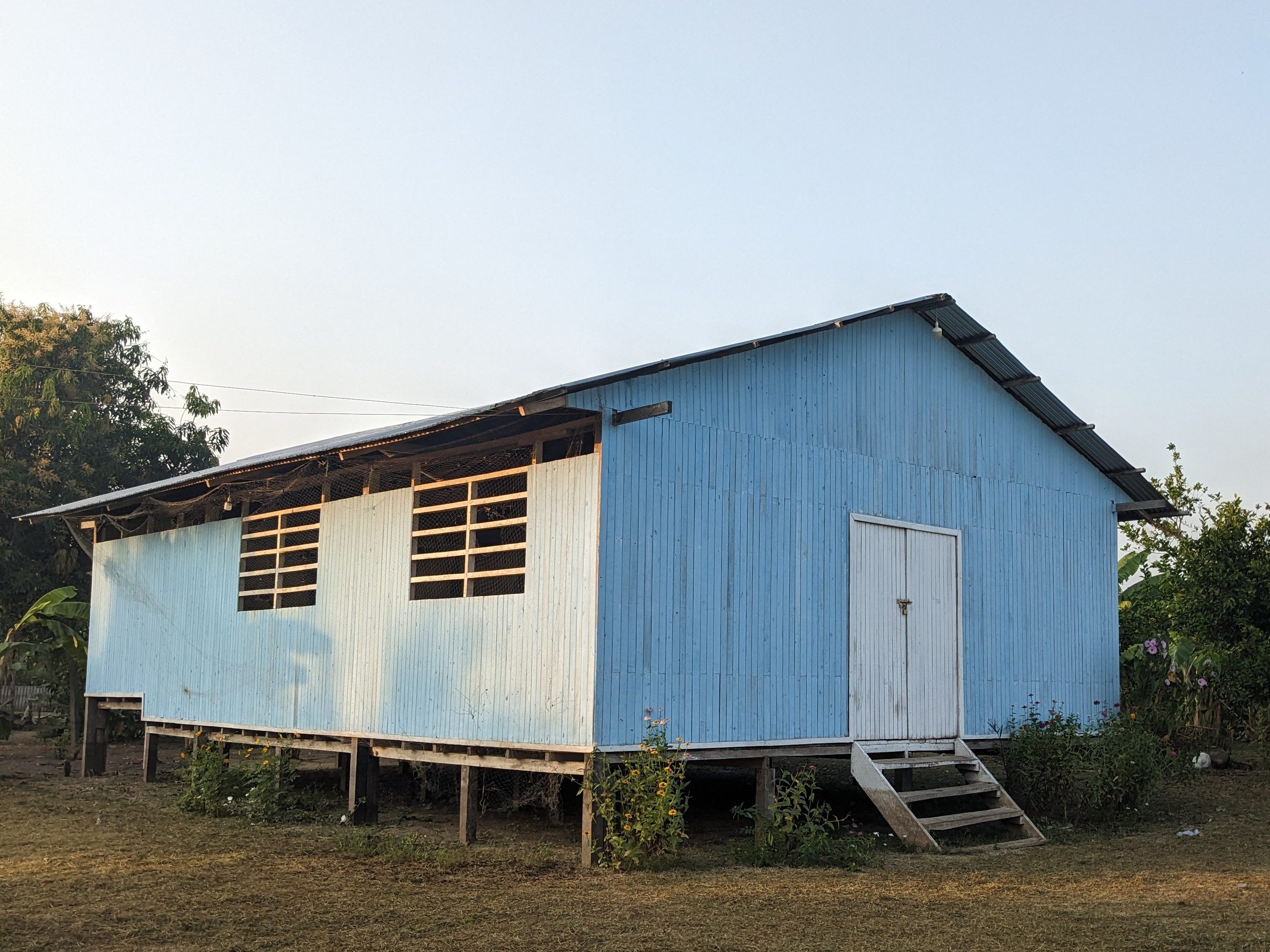
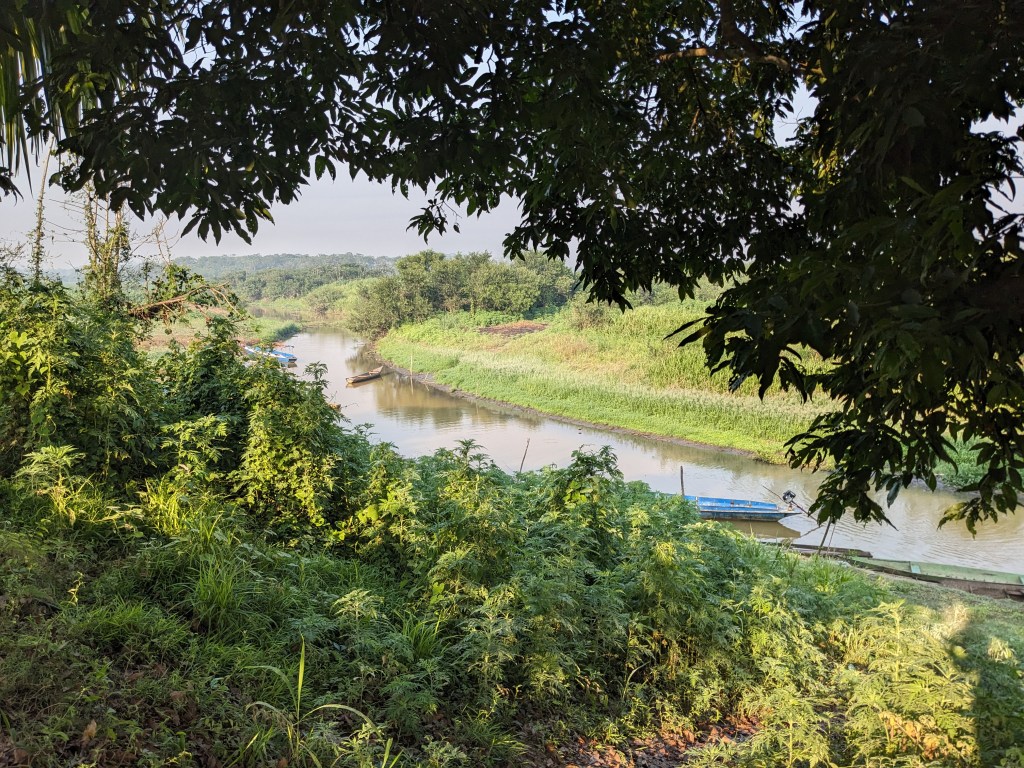
“We Have Faith to Endure It”: The Role of Rural Amazonian Christianity in Shaping Social Cohesion and Hazard Resilience in the Peruvian Amazon
This project examines two rural riverine communities in the Peruvian Amazon (Ucayali, Peru). It explores how Catholic, Evangelical, and Israelita (AEMINPU) community members cope with floods and droughts using their beliefs, and was especially concerned with community-wide social cohesion in the wake of severe floods and droughts. It found that regardless of denominational affiliation, individuals in both communities theorized the origin of environmental hazards similarly through their Christian worldviews. However, differences in beliefs concerning Christian behaviour and other social issues created tensions and low-level social fragmentation between the two core denominational groups. Social cohesion, however, was more present within each denominational group in the form of personal religious meaning-making and practices of spiritual kinship. Ultimately, this work demonstrates that rural Amazonian Christianity creates both fragmentation and cohesion in the study sites, which have implications for disaster management and community development. It argues that religion ought to be considered more seriously in the disaster management and disaster risk reduction (DRR) spheres in rural settings such as these, as it is too often underestimated.
Recommendations for Bank and Bluff Erosion Monitoring Using Citizen Science in Walkerton, Ontario
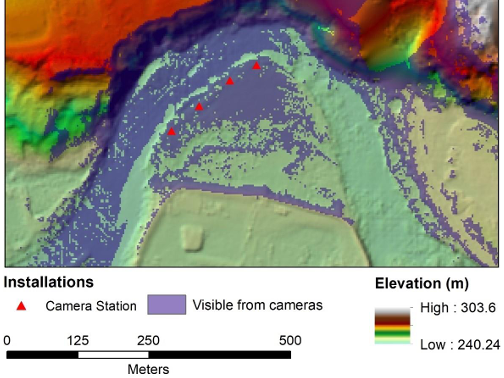
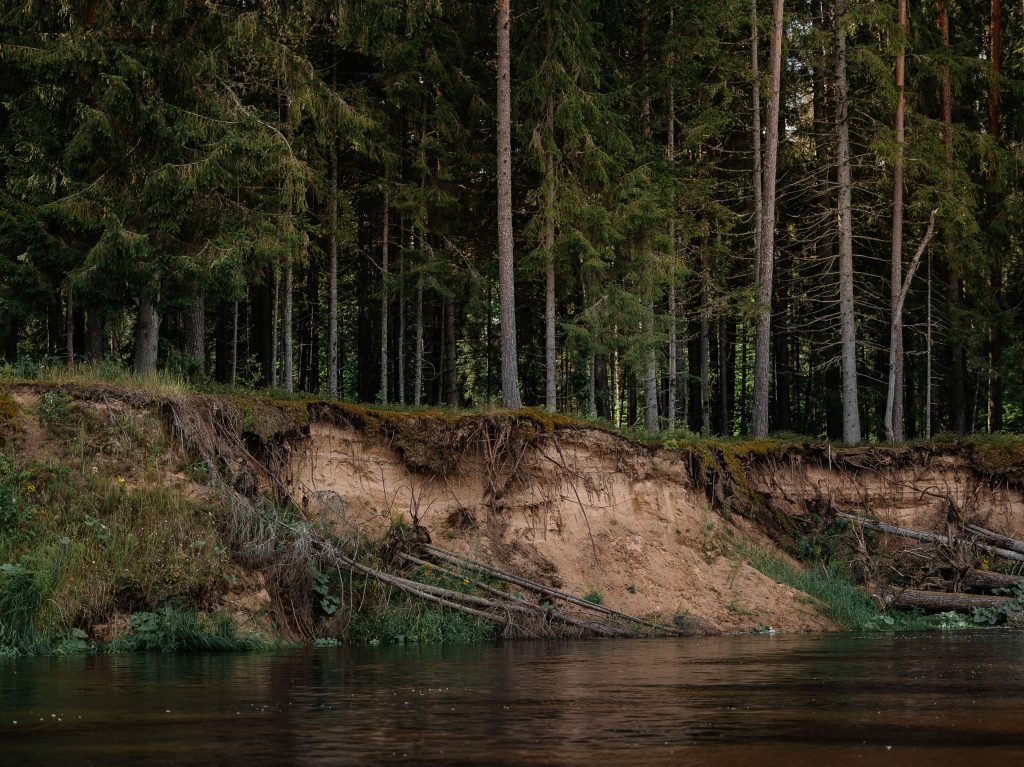
The Saugeen River flows directly through downtown Walkerton, Ontario and it is cutting into its valley across from Riverbend Park. The river has encroached into the valley walls, resulting in consistent and considerable bank and bluff erosion over the last few decades. This study explored the ways in which the erosion across from Riverbend Park could be better understood and monitored using citizen science. It suggested the use of image-based methods such as 3D photogrammetry, which have been used to collect high-resolution quantitative data that could be used for the consistent monitoring of erosion rates, patterns, and locations in Walkerton. Walkerton’s infamous history of a deadly E. coli outbreak in 2000 motivated this work and informed the suggestion of using citizen science approaches in this setting. The results of this study are a series of discussions and recommendations for possible monitoring and erosional assessment programs using citizen science methods.